Diamond Education | The 4 Carat Engagement Ring Guide
Selecting an engagement ring is a momentous decision that involves careful consideration of various factors. For those seeking a truly impressive and luxurious option, 4 carat diamond rings stand out as an exquisite choice. In this comprehensive guide, we delve into key aspects of a 4-carat diamond, offering insights into the cost, size, recommended purchase locations, and tips on obtaining the best value for a ring of this magnitude.
How Much Does a 4-Carat Diamond Ring Cost?
The cost of a 4-carat diamond ring can vary significantly based on several factors. Key considerations include the diamond’s cut, color, clarity, and carat weight—often referred to as the Four Cs. In general, a 4-carat diamond commands a higher price due to its rarity and substantial size. The price range can start from tens of thousands of dollars and extend into the hundreds of thousands, depending on the quality of the diamond.
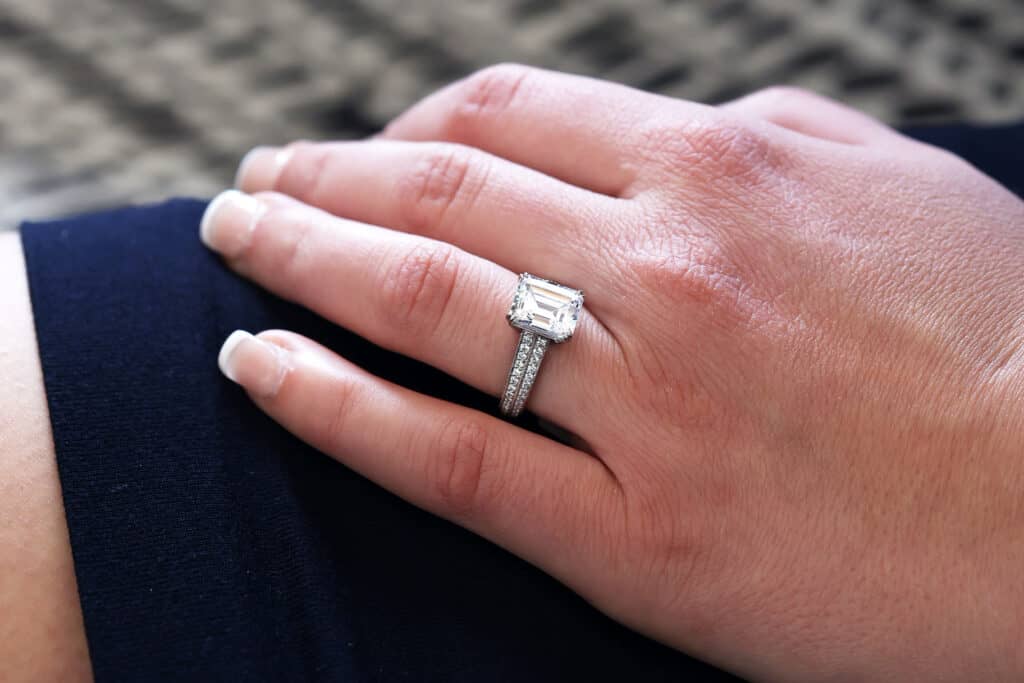
Factors that influence the cost include:
- Cut Quality: A well-cut diamond maximizes brilliance and enhances its visual appeal. Diamonds with excellent cut grades typically demand higher prices.
- Color Grade: The color of a diamond is graded on a scale from D (colorless) to Z (light color). Colorless diamonds are generally more expensive, with higher grades commanding premium prices.
- Clarity Grade: Clarity refers to the presence of imperfections or inclusions within the diamond. Diamonds with fewer and less visible inclusions are considered higher in clarity and are priced accordingly.
- Carat Weight: Carat weight is a significant factor influencing the cost of a diamond. Larger diamonds, such as a 4-carat stone, are rarer and, therefore, more expensive.
How Large is a 4-Carat Diamond?
The size of a 4-carat diamond can be estimated by its average diameter, although the exact dimensions can vary depending on the diamond’s cut. The diameter is a key measurement that influences how large the diamond appears when viewed from the top. Keep in mind that different diamond cuts and shapes can result in variations in the visual size of the stone.
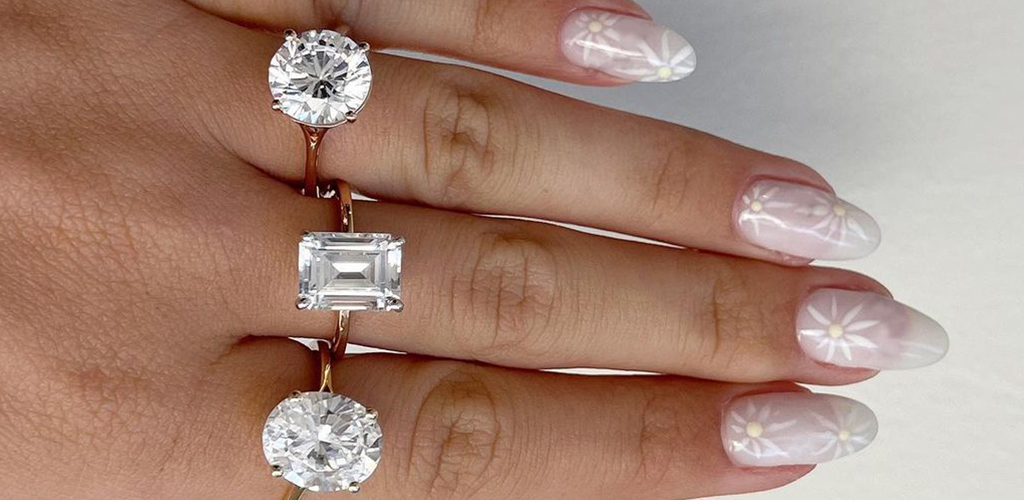
For a round brilliant-cut diamond, which is the most popular shape, a well-proportioned 4-carat diamond typically has an average diameter of approximately 10.4 millimeters. Other fancy shapes, such as princess, emerald, or oval cuts, will have different length and width proportions, affecting how the diamond distributes its carat weight.
It’s important to note that carat weight alone does not determine the perceived size or visual impact of a diamond. Factors such as the cut, depth, and table percentages also play a significant role in how large a diamond appears. A well-cut diamond reflects light effectively, maximizing its brilliance and visual appeal.
When considering the size of a 4-carat diamond, it’s recommended to view diamonds in person or explore detailed specifications, including measurements, to ensure that the diamond’s cut complements its carat weight, resulting in a stunning and well-proportioned appearance. Additionally, individual preferences for diamond shapes and cuts can influence how a person perceives the size and overall beauty of the diamond.
Where To Buy a 4-Carat Diamond Ring
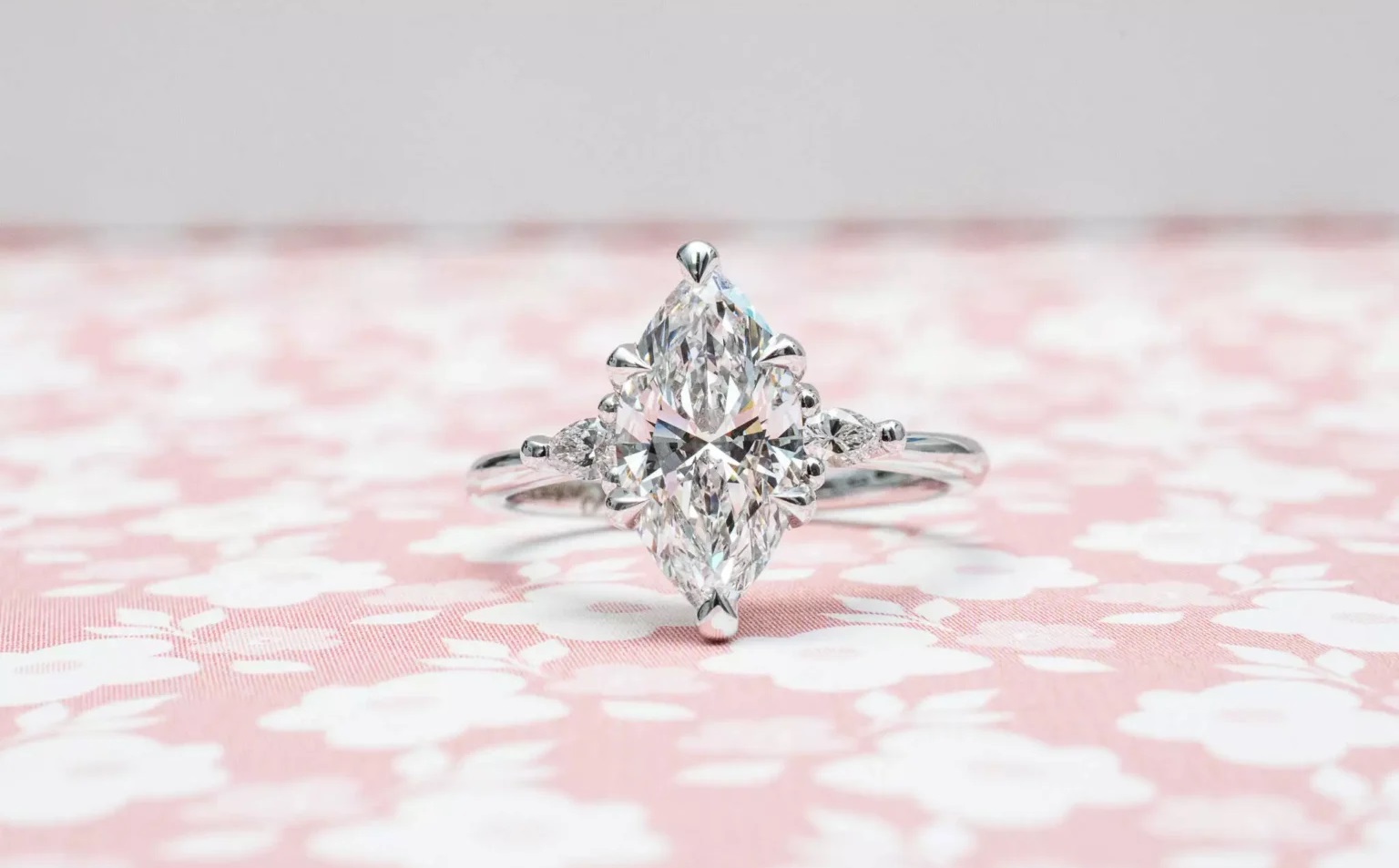
When it comes to purchasing a 4-carat diamond ring, selecting a reputable and trustworthy vendor is of paramount importance. Consider the following options:
- Blue Nile: Known for its extensive selection and transparent pricing, Blue Nile is an online retailer offering a range of 4-carat diamond options.
- James Allen: Renowned for its high-resolution 360-degree imagery, James Allen allows customers to thoroughly inspect and choose a 4-carat diamond online.
- Brilliant Earth: Focused on ethical sourcing, Brilliant Earth offers a selection of 4-carat diamonds with various customization options.
- Brian Gavin Diamonds: Brian Gavin Diamonds is renowned for its expertise in diamond cutting, especially Hearts and Arrows diamonds. They offer a curated selection of diamonds and customizable engagement ring settings.
- Tiffany & Co.: Tiffany & Co. is a prestigious luxury brand known for its high-quality diamonds and iconic blue boxes. They offer a selection of engagement rings, including options with 4-carat diamonds.
- Harry Winston: Harry Winston is a renowned luxury jeweler that offers exceptional diamonds and exquisite designs. They are known for their high standards in diamond quality and craftsmanship.
- Cartier: Cartier is a prestigious jewelry brand with a reputation for timeless designs and high-quality diamonds. They offer a range of engagement rings with various diamond sizes.
- Local Jewelers: Establishing a relationship with a trusted local jeweler can provide a personalized shopping experience. Inquire about their selection of 4-carat diamonds or explore customization options.
How To Get The Best Value For a 4-Carat Diamond Ring
Getting the best value for a 4-carat diamond ring involves a careful balance between the diamond’s quality, your budget, and personal preferences. Here are some tips to help you maximize value when purchasing a 4-carat diamond ring:
- Prioritize Cut Quality: Opt for a well-cut diamond to maximize brilliance and overall visual appeal. A superior cut can enhance the beauty of the diamond.
- Optimize Carat Weight: Carat weight significantly influences the price of a diamond. If budget is a concern, consider diamonds slightly below the 4-carat mark. A 3.90 to 3.99 carat diamond may offer a more favorable price per carat.
- Consider Lower Color Grades: Depending on personal preferences, consider diamonds with slightly lower color grades. Differences may not be perceptible to the naked eye, allowing for potential cost savings.
- Evaluate Clarity: Select a diamond with a clarity grade that balances visual appeal and budget considerations. Inclusions that are not visible to the naked eye may offer better value.
- Explore Online Options: Online retailers often have lower overhead costs, potentially resulting in more competitive prices. Thoroughly research and choose a reputable online vendor.
- Compare Prices and Settings: Compare prices across various vendors, keeping in mind the quality of the diamond and the engagement ring setting. Some retailers may offer customization options at different price points.
Conclusion
A 4-carat diamond ring represents an extraordinary and enduring symbol of love and commitment. Understanding the factors that influence cost, the impressive size of a 4-carat diamond, reputable purchase locations, and tips for obtaining the best value ensures that couples can embark on their journey toward a timeless and stunning engagement ring that reflects their unique love story.…